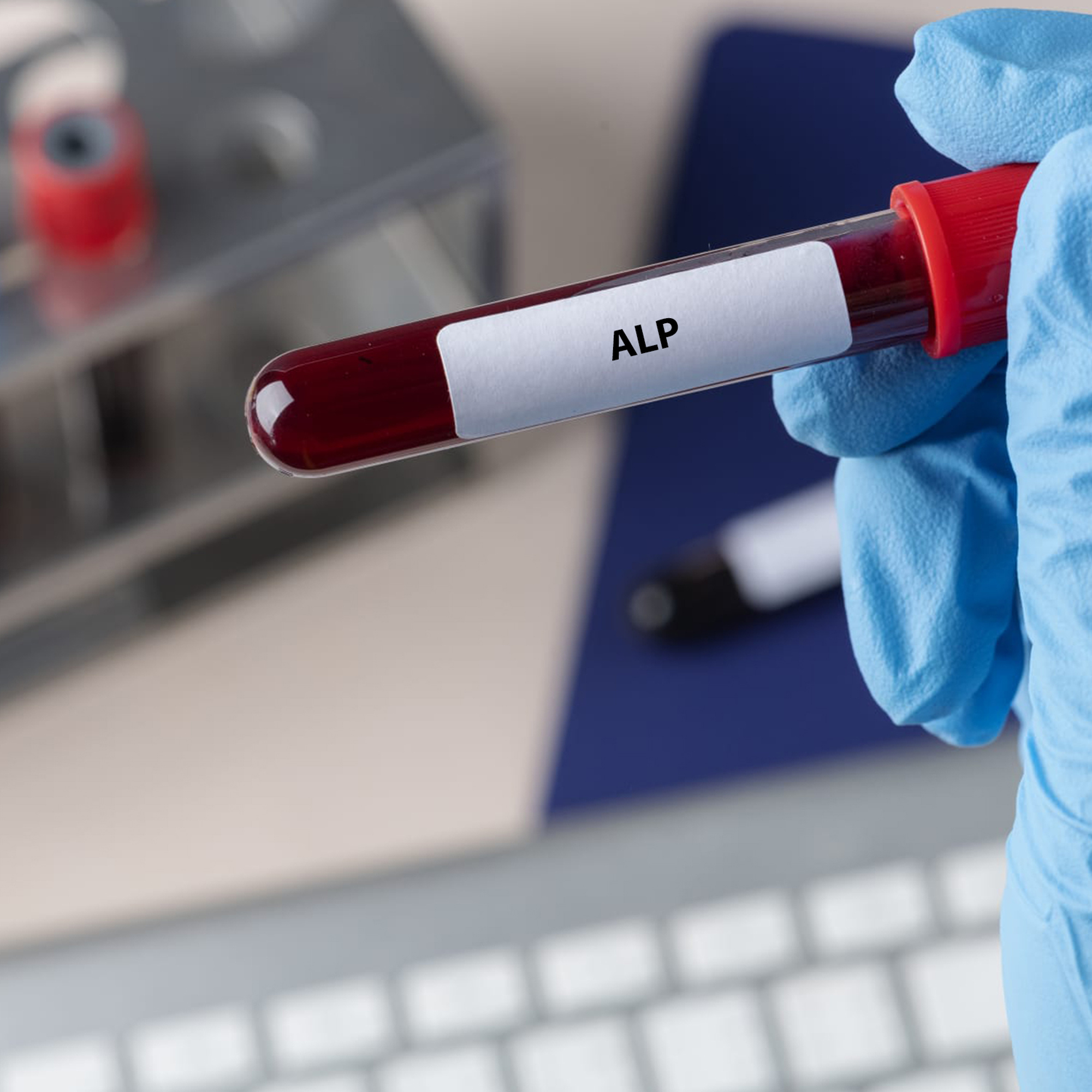

Biochemistry Tests
Biyokimya Tests
Biochemistry tests are essential laboratory tests that examine the biochemical processes in the body to understand one's health condition. These tests are conducted on samples obtained from blood, urine, or other bodily fluids to evaluate organ functions, metabolism, nutrient levels, and other critical chemical components. Biochemistry tests measure various parameters, providing healthcare professionals with a comprehensive overview. For example, blood tests can measure glucose levels, liver or kidney functions, electrolyte levels, protein levels, lipid profiles, and other essential components. Urine tests, on the other hand, can indicate kidney functions, infections, or symptoms of certain diseases. Biochemistry tests assist healthcare professionals in diagnosing diseases, monitoring treatment responses, evaluating health status, and comprehending overall health profiles. These tests are essential tools for understanding health and preventive healthcare.
What are Biochemistry Tests?
Biochemistry tests are laboratory tests used to measure the chemical components in the body and understand the health status. These tests are performed on samples obtained from blood, urine, or other bodily fluids to assess organ functions, nutrient levels, metabolism, and other crucial chemical components. They aid in diagnosing diseases, monitoring treatment responses, and evaluating overall health status.
How are Biochemistry Tests Conducted?
Biochemistry tests are conducted by examining samples taken from blood, urine, or other bodily fluids in a laboratory setting. These samples are sent to the laboratory and tested. Tests are usually performed using automated devices, measuring chemical components in the samples to assess organ functions, nutrient levels, metabolism, and other essential parameters. These tests involve performing measurements according to standard procedures and analyzing the results.
Why are Biochemistry Tests Performed?
Biochemistry tests are conducted to measure the chemical components in the body and understand the health status. They help assess organ functions, control nutrient levels, comprehend metabolism, diagnose diseases, monitor treatment responses, and evaluate overall health status.
How are Samples Taken for Biochemistry Tests?
Biochemistry tests generally use blood, urine, or sometimes other bodily fluids. When taking a blood sample, a needle is usually used to draw blood from veins in the arm. Urine samples can be collected using a urine collection container. The method for obtaining samples from other bodily fluids may vary depending on the specific test requirements and needs.
When are Biochemistry Tests Ordered?
1. Routine Health Checks:
Can be conducted to assess general health status and monitor organ functions.
2. Disease Diagnosis and Monitoring:
Used to determine the cause of symptoms and diagnose a disease. Also employed to track the course of a disease and assess treatment effectiveness.
3. Monitoring Chronic Diseases:
Important for managing and monitoring chronic conditions like diabetes, kidney diseases, liver diseases, etc.
4. Monitoring Treatment Response:
Regular tests might be ordered to assess the response to treatment for a particular disease or condition.
5. Pre-Surgery Evaluation:
Biochemistry tests can be performed to determine a patient's general health status and assess risks before surgery.
6. Effects of Medication:
Tests might be ordered to monitor the effects of certain medications in the body.